Permaculture: a whole way of living on the land
A design system that arranges water, soil, biodiversity and human use so they last over time.
To talk about permaculture is to talk about design: the ability to observe a place, understand how it works and arrange its elements so they sustain themselves over time.
In a world marked by water scarcity, soil degradation and dependence on external inputs, permaculture brings a simple question back to the table: how do we live and grow food without impoverishing the place that sustains us?
A way of seeing
The word permaculture comes from the idea of a “permanent culture”, and its meaning goes far beyond agriculture.
It is a design system that observes the patterns of nature and learns from them: how water moves, how soil regenerates, how different species interact and how balance is created without constant control.
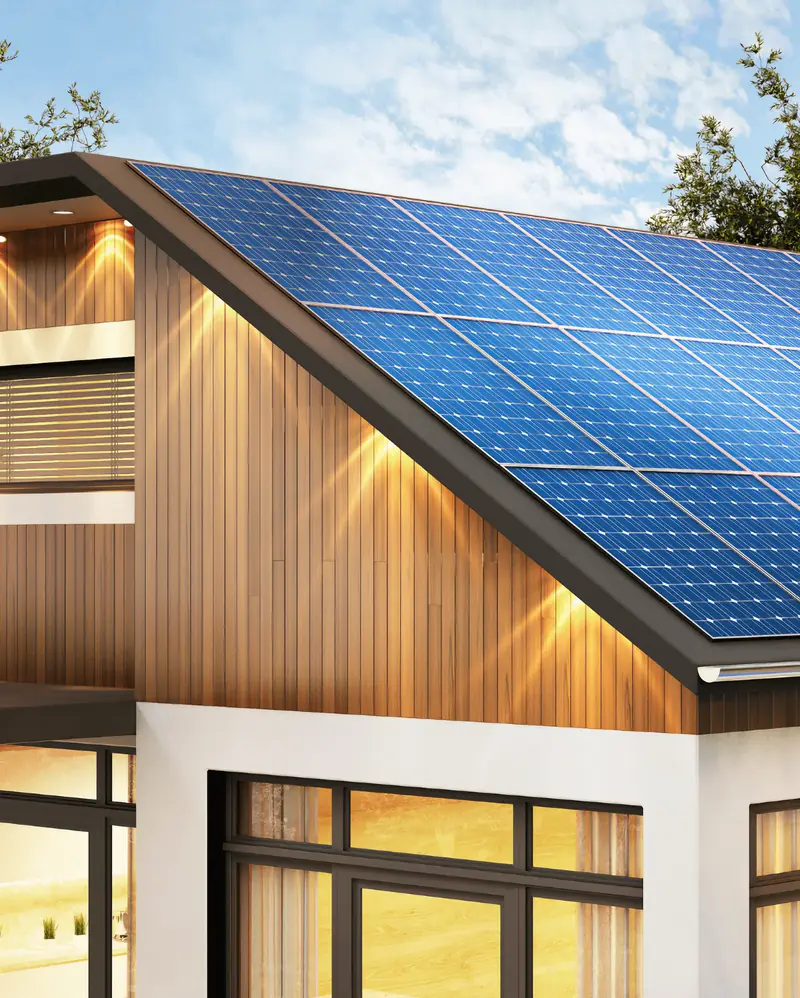
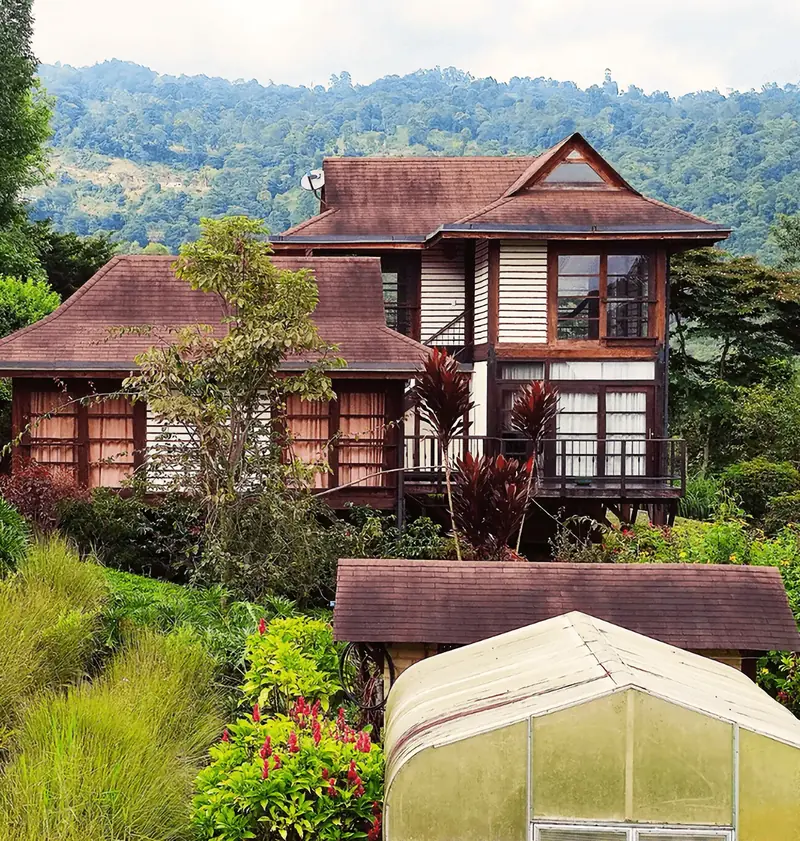
That is why, when applied well, permaculture also helps plan where a house goes, how water is managed, shade, access, energy, soil fertility and the relationship between people and their surroundings. It organizes a whole system, far beyond a vegetable garden.
The three principles behind it
Every permaculture practice rests on three ethical principles:
- Earth care. Without living soil, available water and biodiversity, no system lasts long.
- People care. A sustainable project also has to be livable, useful and dignified for those who sustain it.
- Fair share. Excess, waste and accumulation tend to break the balance that seemed to work at first.
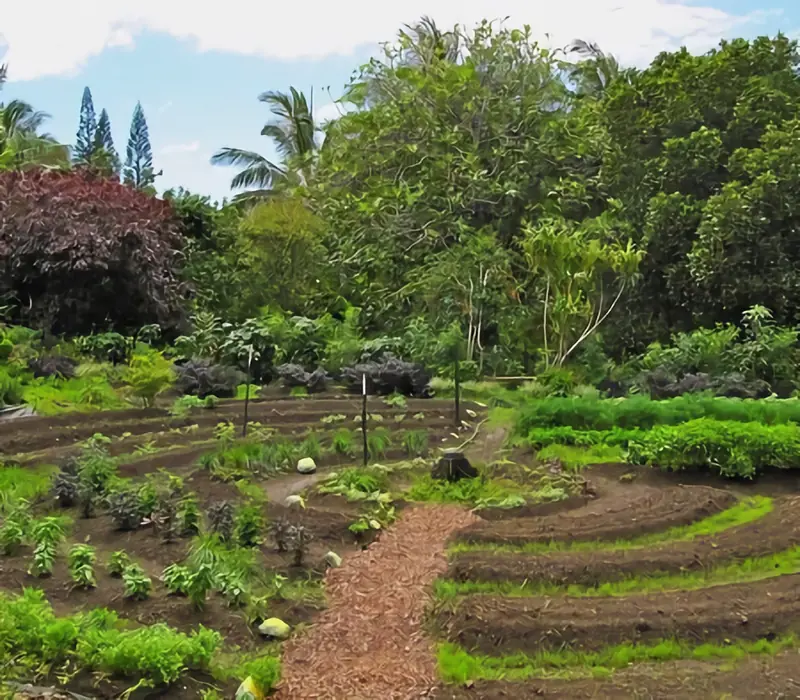
In practice, these principles translate into concrete decisions: where rainwater is collected, which species to combine, how soil is protected, which waste can go back into the cycle and which is better reduced at the source.
How it works in practice
One of permaculture's most interesting contributions is that it stops us from looking at each element in isolation.
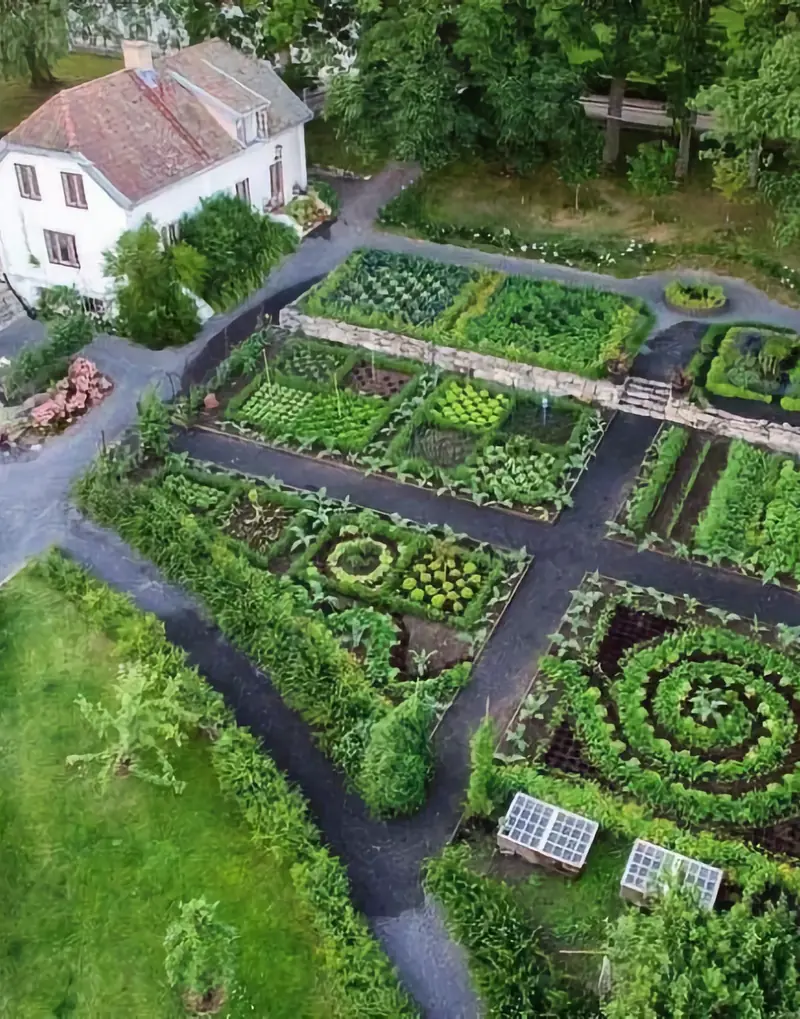
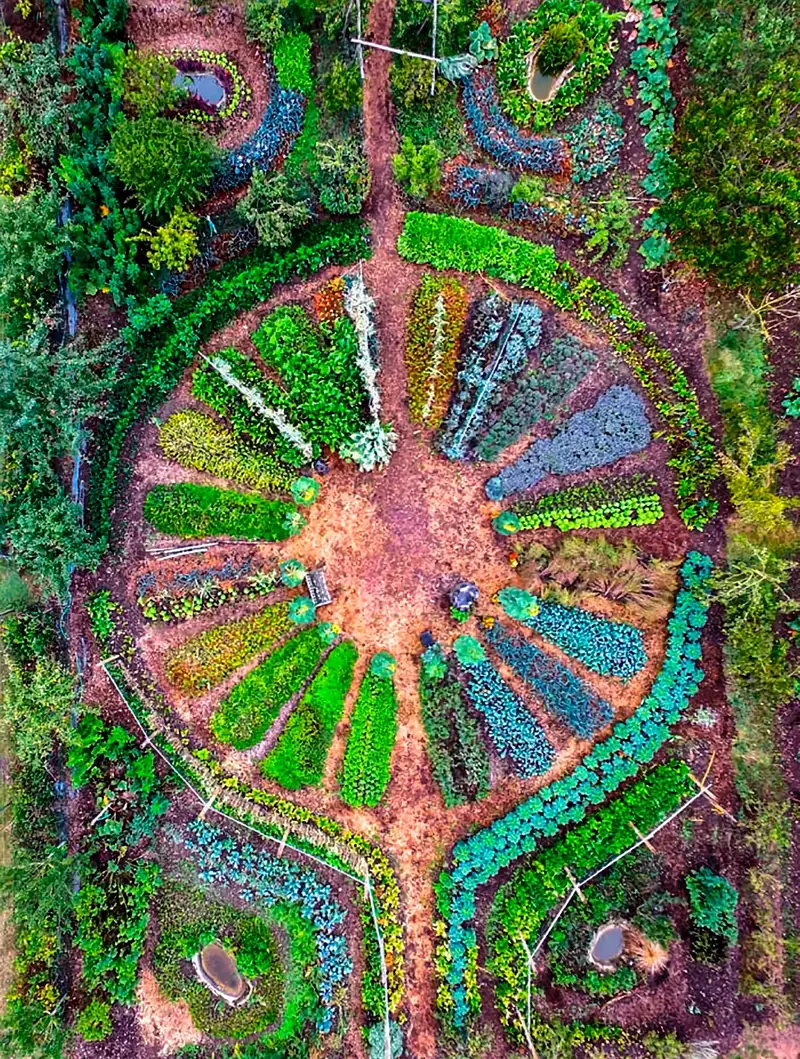
A tree can provide shade, shelter from wind, attract pollinators, hold soil, add organic matter and change the microclimate. Water is observed along its whole path: where it falls, where it runs off, where it is lost and where it could soak in better. A garden is designed according to its distance from the house, how often it is used, the type of soil, sun exposure and its relationship with other species.
That approach leads to decisions such as:
- collecting and storing rainwater
- working with perennial species adapted to the place
- reusing organic matter through composting
- arranging spaces by intensity of use
- diversifying instead of relying on a single crop or a single solution
There is no single recipe. There is observation, reading the context and design.
Diversity, efficiency and cycles
Conventional agriculture tends to separate functions and simplify processes. Permaculture looks for relationships that strengthen the whole, which is why diversity is central: a diverse system tends to be more stable, more resilient and less dependent on outside corrections.
Then there is the idea of zones: placing each element according to how often it is used or tended. What needs daily attention goes close by; what needs less can go further away. It sounds obvious, but it is often not designed that way.
Another key point is managing cycles. The more times water, nutrients, organic matter and energy circulate within the system, the greater the efficiency and the less the waste. That has an ecological impact and an economic one too.
There is no single recipe. There is observation, reading the context and design.
What it offers
Applied well, permaculture can improve soil health, reduce dependence on fertilizers and pesticides, optimize water use and increase biodiversity. It can also produce systems that are more self-sufficient and less vulnerable to climatic or economic change.
In places where water is a sensitive issue, or where the soil is already depleted, this kind of design becomes a practical necessity. Permaculture also restores a human scale: it asks us to look carefully, design patiently and accept that the land does not respond the same way everywhere.
It has its demands too
Permaculture takes time, observation and learning. It does not always deliver immediate results, and it is poorly implemented in a hurry.
It also depends on context: access to materials, technical knowledge, labor, local climate and continuity of care. It works when the place is understood and the work is consistent.
A view that resonates with Natura Austral
Perhaps permaculture's greatest contribution is that it pushes us to read the system before intervening. What to build or plant matters, and so does where, in what relation to water, with what impact on the soil, with what future maintenance and with what meaning for those who will live there.
At Natura Austral we value anything that helps us think about the land with more attention and better judgment. Permaculture puts at the center the things we care about too: water, soil, orientation, biodiversity, the scale of a project and the relationship between a property and the landscape around it. Very often, better decisions begin by looking at a place more deeply before transforming it.