Natural building
Natural materials, design for the southern climate and what it means for a house to breathe.
Building in southern Chile demands, above all, an honest reading of the climate. You don't build the same way where humidity is constant as where the sun beats down most of the year. In that context, natural building emerges as a technical answer for those seeking efficiency, healthy homes and a smaller environmental footprint.
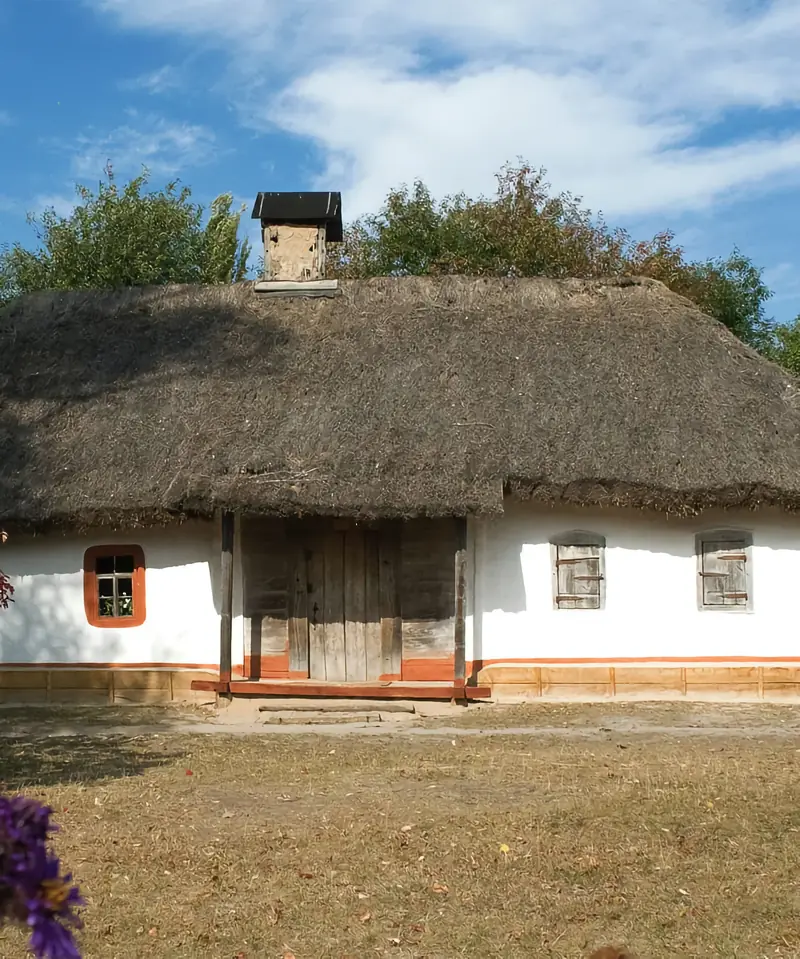
By natural building we mean using materials with low embodied energy (earth, straw, timber, stone or lime), minimally processed and applied with rigorous bioclimatic design.
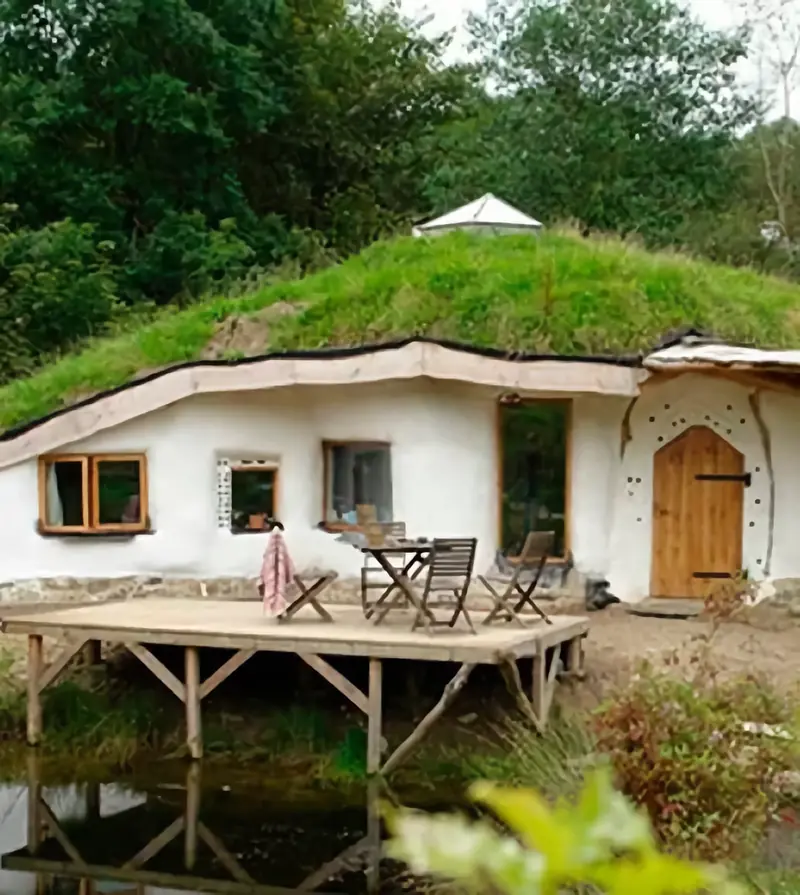
The physics of comfort: thermal mass and breathability
One of the most misunderstood ideas in modern construction is extreme airtightness. A house sealed with plastics and synthetic insulation tends to trap indoor moisture, causing condensation and mold that damage both the structure and the health of the people who live there.
Natural building proposes walls that allow vapor exchange. Materials such as raw earth or lime regulate humidity passively: they absorb excess water vapor and release it when the air dries out. This keeps relative humidity at a healthy level without costly mechanical systems.
Add to this thermal mass. A wall with enough mass absorbs heat during sunny hours and releases it slowly as outdoor temperatures drop. In practice, that means significant savings on heating and a thermal stability that concrete or lightweight partitions can rarely match.
A wall with enough mass absorbs the heat of the day and releases it slowly through the night.
Maintenance and durability
There is a belief that natural means fragile. Yet the durability of an earth or timber building depends on how well its foundations and roof are built. A structure well protected from direct rain and ground moisture can stand for centuries.
What changes is the relationship with maintenance. Natural building asks you to care for surfaces with silicate paints or natural oils, instead of synthetic varnishes that peel. The result is a home that ages well, and whose materials, at the end of their life, return to the landscape without becoming toxic waste.
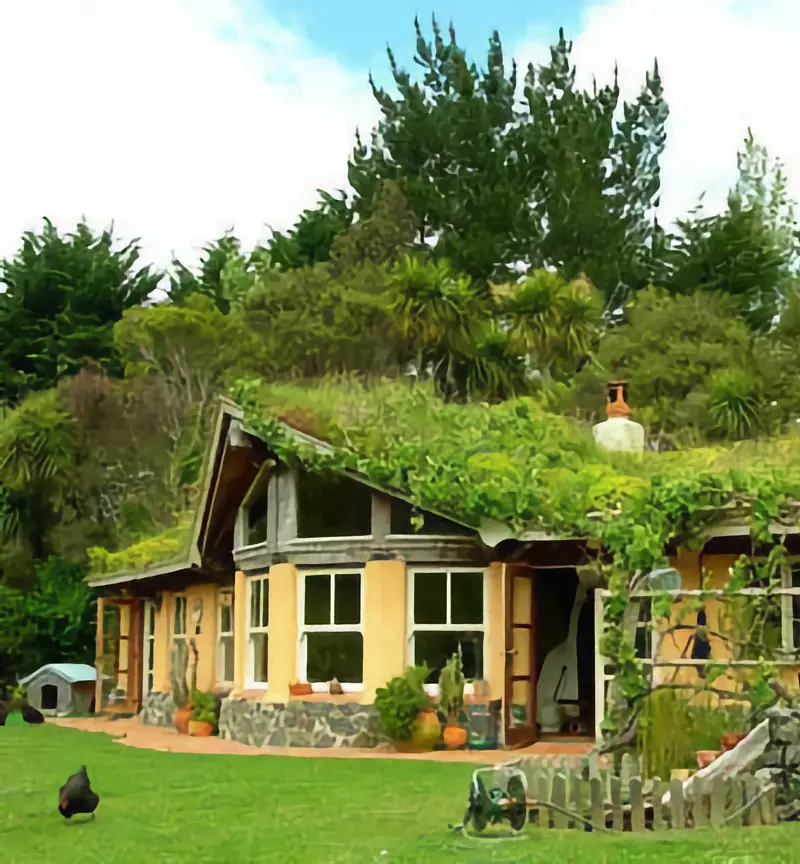
Air quality and indoor health
We spend most of our time indoors. Many conventional materials release volatile organic compounds found in glues, resins and industrial paints. Natural building takes them out of the equation.
Living in a house built with natural materials improves indoor air quality and supports rest. It is a way of putting people's wellbeing ahead of industrial standardization.
An asset with a long-term view
For Natura Austral, applying natural building criteria to a project is an ethical stance and also a sound investment decision. The real estate market increasingly values homes that are resilient to the energy crisis and need few external inputs for heating.
Building with the place, not against it, lets architecture become an extension of the land. It is about recovering construction common sense, backed by today's technical knowledge, to live in spaces that are safe, efficient and connected with their surroundings.