Renewable energy: solar and wind
Consumption, orientation, shade, batteries and maintenance: what to check before installing solar panels or a wind turbine.
Installing a solar panel is a technical decision. Running an off-grid microgrid, on the other hand, changes the way you live in a place. In southern latitudes, where solar radiation varies greatly between seasons and storm fronts are the norm, energy becomes a resource you harvest, manage and protect.
Achieving energy independence means focusing on the design of the system rather than on the equipment. The key question is how many kilowatt-hours are left in the batteries on a Tuesday in July after three days of rain, not how many watts a panel promises in the catalog.
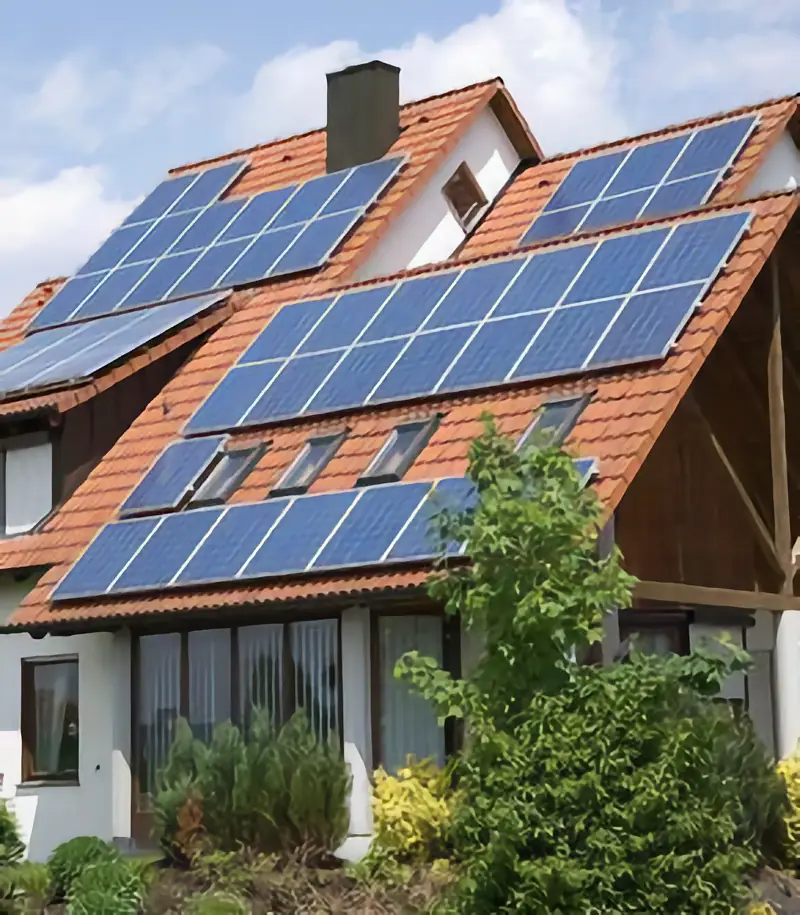
Solar power in southern Chile?
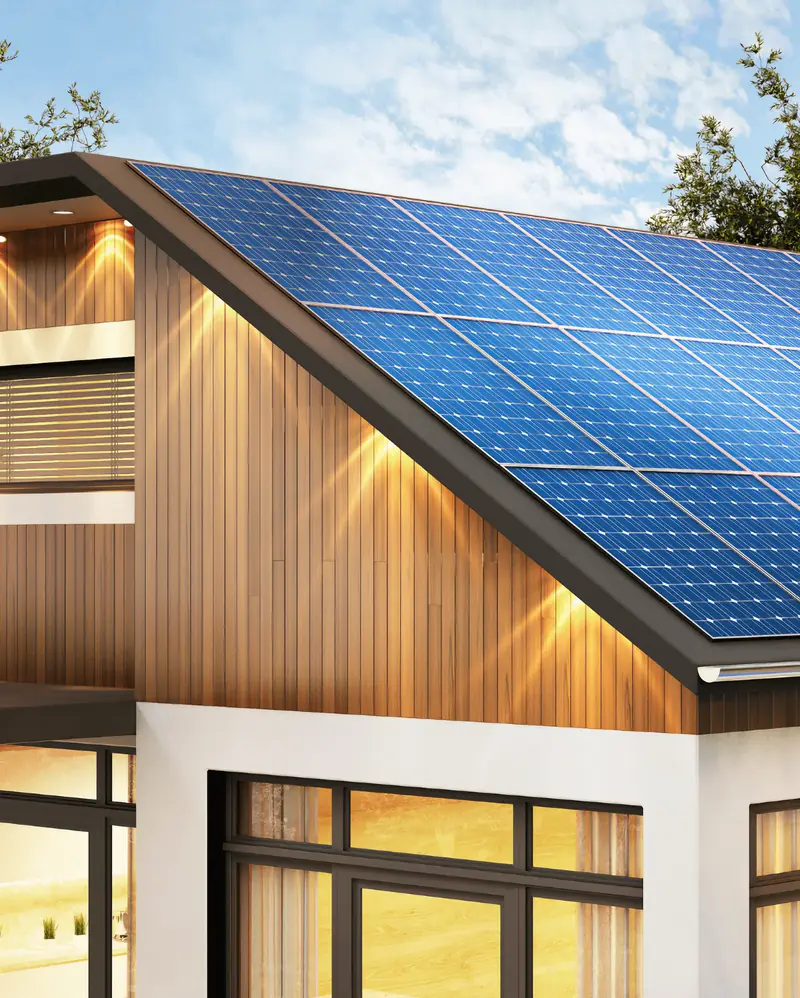
The performance of a solar array in the south depends on rigorous geometry. Unlike central Chile, the winter sun here stays very low on the horizon. That calls for steep tilt angles, often above 45 or 50 degrees, both to capture direct radiation and to let snow or volcanic ash slide off the cells.
The design must also account for diffuse shading. A nearby forest or persistent cloud cover changes the quality of the light. That is why it matters to choose inverters with independent maximum power point trackers (MPPT): they keep the system producing even when part of the array gets less light, and prevent a single obstacle from dragging down total output.
Wind as a complement
Wind power often looks like the answer for the months with little sun. Its implementation, however, calls for an honest reading of the wind on site. For a turbine to pay off, it needs a steady airflow without turbulence.
Turbulence caused by terrain, groups of trees or buildings reduces the energy delivered and multiplies turbine wear. A poorly placed tower produces less electricity and also creates vibration and noise that affect life in the house.
Wind power only adds value with a prior wind study and at a height above ground-level turbulence.
Storage and energy budget
The most critical component of an off-grid system is the battery bank, the lungs of the system. Lithium iron phosphate (LiFePO4) batteries allow deeper discharge and last up to three times longer than old lead-acid batteries, but they are still the most expensive item of the initial investment.
To protect that asset, the design must start from a precise energy budget. That means sizing the system for critical loads (refrigeration, water pumps and communications) and covering heating and hot water with non-electric sources, such as biomass or solar thermal. In an off-grid home, efficiency is measured by the ability to use less.
Market value and security
From Natura Austral's perspective, a property with a well-integrated energy system is worth more and sells more easily. An informed buyer is looking for a home that works without interruption and without depending on an external grid that, in rural areas, tends to be fragile.
Investing in professional energy infrastructure turns an operating expense into an asset. It gives the land its own infrastructure, ensures long-term comfort and security, and makes life there depend on its own management.